


Do you think “FAT SHAMING” is an issue?
- George Menzor

- Jul 19, 2016
- 2 min read
https://sydneyhealthlaw.com/2016/07/10/how-should-we-talk-about-weight/How should we talk about weight?

Overweight woman getting a BMI assessment
I came across an article “How Should We Talk About Weight?” and was taken back a little. I do think that weight issues are heavily stressed in the media across the world, and I do see a lot of “Fat Shaming” on social media sites, but I see it in a very small percentage of people that are using social media. I think it is widely unaccepted to use certain terms when describing someone of a certain weight.
The National Association of Sports Medicine (NASM) categorizes weight into a few different categories depending on your body mass index (BMI).
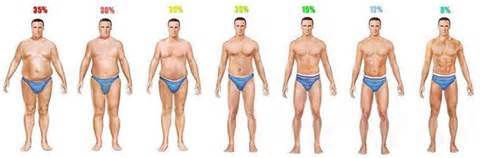
What Body Fat Percentage are you at?
Underweight <18.5, Normal Weight 18.5-24.9, Overweight >25.0-29.9
and then there are three classes of Obesity,
Class 1 30.0-34.9, Class 2 35.0-39.9, Class 3 ≥ 40.0
This is done by dividing body weight in kg by height in meters squared (kg * m²) and is relative to your height; however, this is not a valid nor reliable way to get this measurement. This is measured with calipers. Its only as reliable as the person conducting the assessment and most people don’t do it correctly, and it isn’t valid because it doesn’t distinguish between fat, muscle mass, or bone. The results can differ widely depending on ethnicity and age (considering your skin thins as you age.)
It is perceived by many that having a high BMI is undesirable and from a public health perspective The American Heart Association states that it can be very unhealthy in most cases when considering Chronic illnesses such as Cardiovascular Diseases, Chronic Atherosclerosis, and Type 2 Diabetes which are also risk factors in themselves. This is debatable considering there is such a thing as the “Obesity Paradox” where some people that are obese actually are at less of a risk for CVD and such.
Recent research suggests that fat shaming is something mainly done by middle class, white people. I’m sure you can think of a few names that you have heard in passing that are not kind to the receiver. Personally, I think words like “fat” and “skinny” are equally derogatory and hurtful. They are both saying you are too much of something—but does what language we use when discussing weight and health issues really matter?
The “Fat Acceptance Movement” seems to think so; also, it has been suggested that physicians should use terminology such as “fat” instead of obese because apparently “obese” is too nice and sugar coated. Regardless of how you say it, there is a stigma that comes along with this conversation when it directly affects you. Stigma has been linked to poor mental health and low self-esteem.
What are your thoughts? Share and get some thoughts from your people. Until this is discussed in great depth there isn’t going to be a change in peoples approaches and perspectives.


Comments